How Air Pollution Affects Respiratory Health
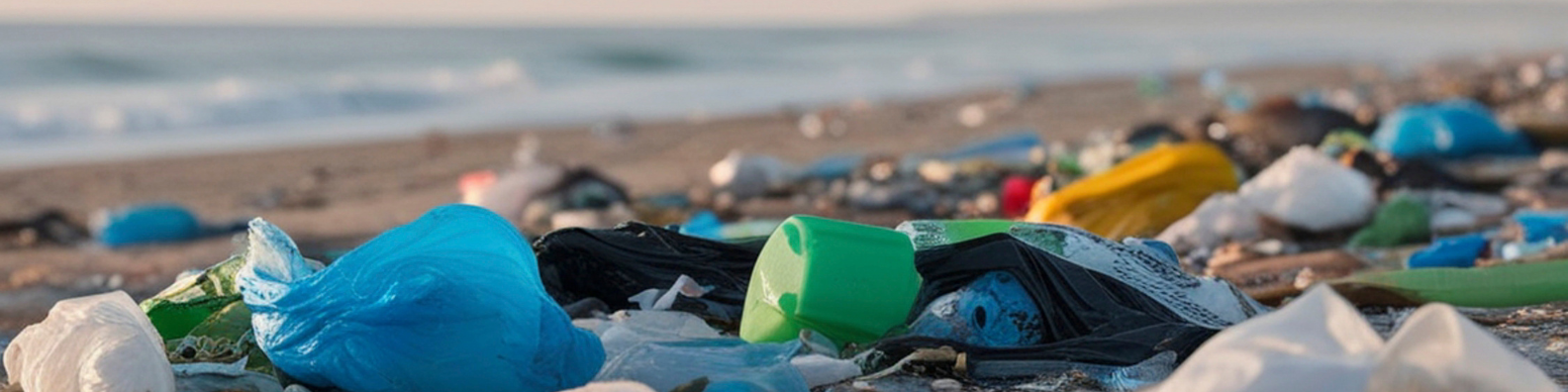
Air quality remains one of the biggest threats to respiratory health. The topic of pollution in particular, is so vast that it’s easy to lose sight of just how much it actually affects our planet and our bodies. As of 2026, The Clean Air Fund states that air pollution is responsible for over 7 million premature deaths each year globally. Individuals predisposed to respiratory conditions are the most susceptible to air pollution.
Aside from climate change and fossil fuel combustion and emissions, air quality is also affected by litter buildup, due to the release of chemicals in air, soil and water.
We breakdown the relationship between litter and air quality, and share what you can do in your day to day life to breathe cleaner air.
What is Litter?
Litter includes all trash and waste that has been thrown onto the ground or into bodies of water, instead of proper receptacles. This can include anything from food waste and plastics, to furniture and medical/chemical equipment.
As a nonprofit focused on lung disease education, the litter item we track most is cigarettes. DId you know that cigarette butts are the most littered item on earth?
According to the The Truth Initiative, cigarettes have made up to 30-40% of all litter since the 1980s.
In 2018, the Blue Ocean for Society Marine Conservation reported that a volunteer group performed 195 clean ups across New Hampshire beaches. The top litter item found was used cigarettes, collecting 32, 958 in total. To provide contrast, their second most picked up item was rope, collecting 11,419 pieces – less than half of cigarette waste found.
How Littering Affects Air Quality
The reason litter contributes significantly to air pollution is the release of chemicals that come from inorganic items that are discarded into the environment.
Cigarettes, for example, are almost entirely made of plastic. This material can take over ten years to break down, and in that process, releases deadly chemicals like arsenic and formaldehyde. Not only is it deadly to the wildlife that encounter them, but they also seep into the soil and leak into the air. More than half of all pollution is found in water, which severely affects our freshwater resources.
These substances can also lead to the spread of bacteria, parasites and disease, which can affect anyone who comes in contact with exposed litter.
How Pollution Affects Our Respiratory Health
The inhalation of pollutants in the air can cause respiratory symptoms such as coughing and wheezing, and affect overall immunity. In some cases it can also lead to lung conditions like asthma, COPD, and lung cancer. The burning of waste significantly affects air quality – 40% of global waste is disposed of through incineration.
While the most at risk are those who work closely with waste, those with pre-existing lung conditions, elderly, and children are also at higher risk to air pollutants.
How You Can Help
Breathe New Hampshire's Bag the Butts™ program has been promoting state-wide community clean-ups for over 10 years to raise awareness of the environmental impact of cigarette litter while educating people on the risks associated with tobacco use.
It’s a year-round initiative that raises awareness about the environmental impact of cigarette litter and provides education on the risks associated with tobacco use disorder.
Host Clean Up In Your Neighborhood!
- Select a location
- Schedule your date
- Recruit volunteers
- Contact us for your FREE Bag the Butts™ toolkit prior to your clean-up event.
- Refer to the recycling guidelines in the toolkit so the collected cigarette litter doesn't go to a landfill.
- Take photos and share with us at: info@BreatheNH.org or tag us on social media.
- Post event: RECYCLE your collected cigarette litter. Contact us to request the shipping label.
Contact us at info@BreatheNH.org or call 603.669.2411 to request free Bag the Butts™ toolkits!
NOTE: Electronic vapor products/vape disposal: contact your local transfer station regarding proper disposal of household hazardous materials.
Breathe New Hampshire is not responsible for organizing or overseeing the community clean-ups. Local groups and organizations are responsible for supervising youth and adults participating in their community clean-ups.