Vaping & Nicotine Products
Understanding Vaping, Nicotine Pouches, and Other Modern Nicotine Products
Vaping and other nicotine products have become increasingly popular, especially among youth and young adults. While some adults who smoke cigarettes may use vapes as part of a quit attempt, these products are not risk-free. Most contain nicotine, a highly addictive substance that can affect the brain and body.
Whether you are a parent, educator, healthcare professional, or someone looking for information about vaping, understanding the facts can help you make informed decisions about your health.
Vapes
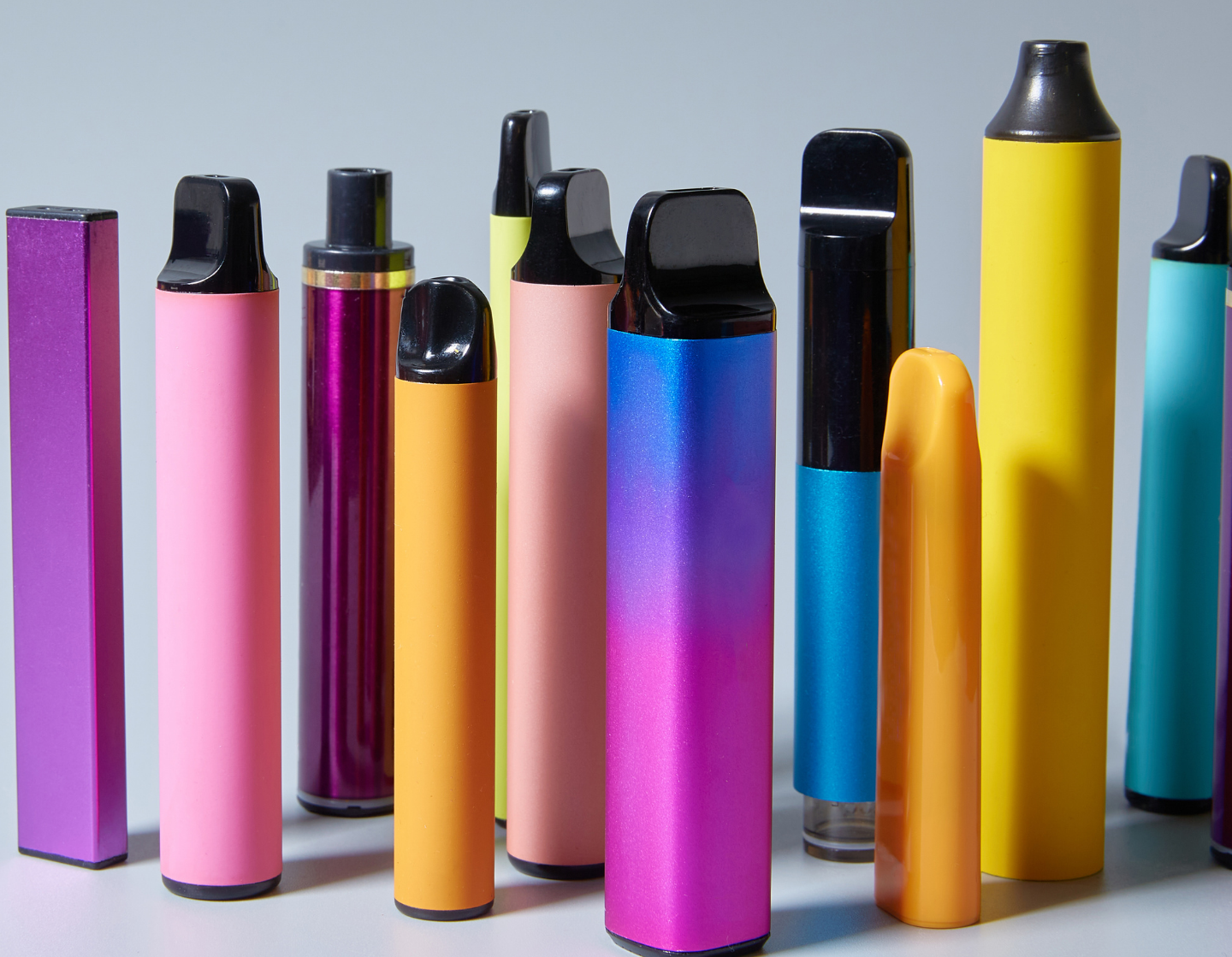
Electronic cigarettes, also called e-cigarettes, vapes, or electronic nicotine delivery systems (ENDS), are battery-powered devices that heat a liquid to create an aerosol that is inhaled.
Common types of e-cigarettes include:
Disposable Vapes
Disposable devices come pre-filled with liquid and are discarded when the liquid or battery runs out.
They are popular among youth because they are: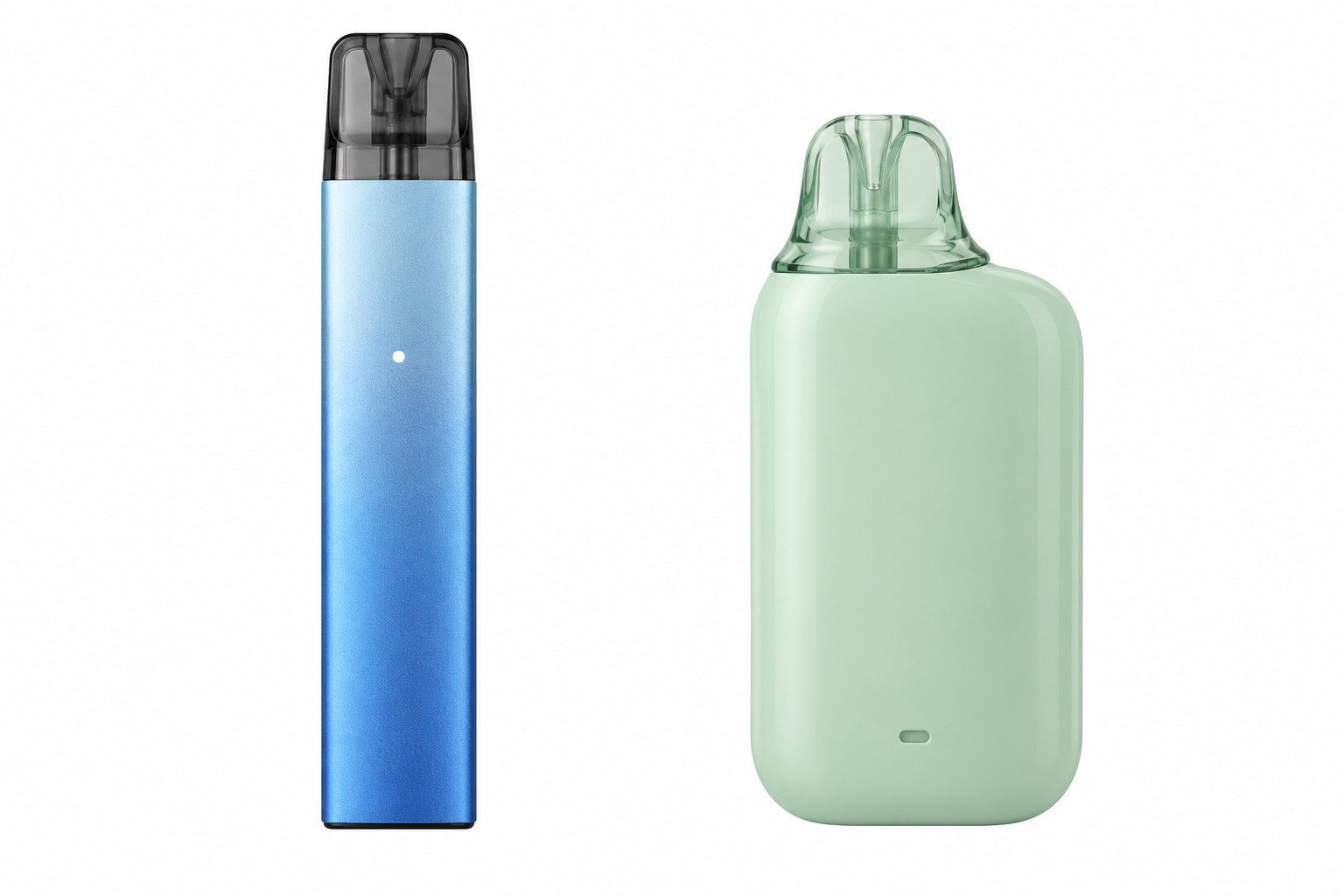
- Easy to use
- Widely available
- Often flavored
- Small and easy to conceal
Pod-Based Devices
Pod systems use replaceable or refillable cartridges that contain nicotine liquid.
These products often use nicotine salts, which allow higher levels of nicotine to be delivered more smoothly than traditional e-liquids.
Refillable Vape Devices
Refillable devices, often referred to as MODS, allow users to add their own e-liquid and adjust power. These products vary widely in design, size, and nicotine concentration.
Nicotine Pouches
Nicotine pouches are small white packets placed between the gum and upper lip. Nicotine pouches are tiny pouches designed to look almost exactly like small pieces of gum or candy.
Unlike traditional smokeless tobacco products, nicotine pouches do not contain tobacco leaf, but they do contain nicotine.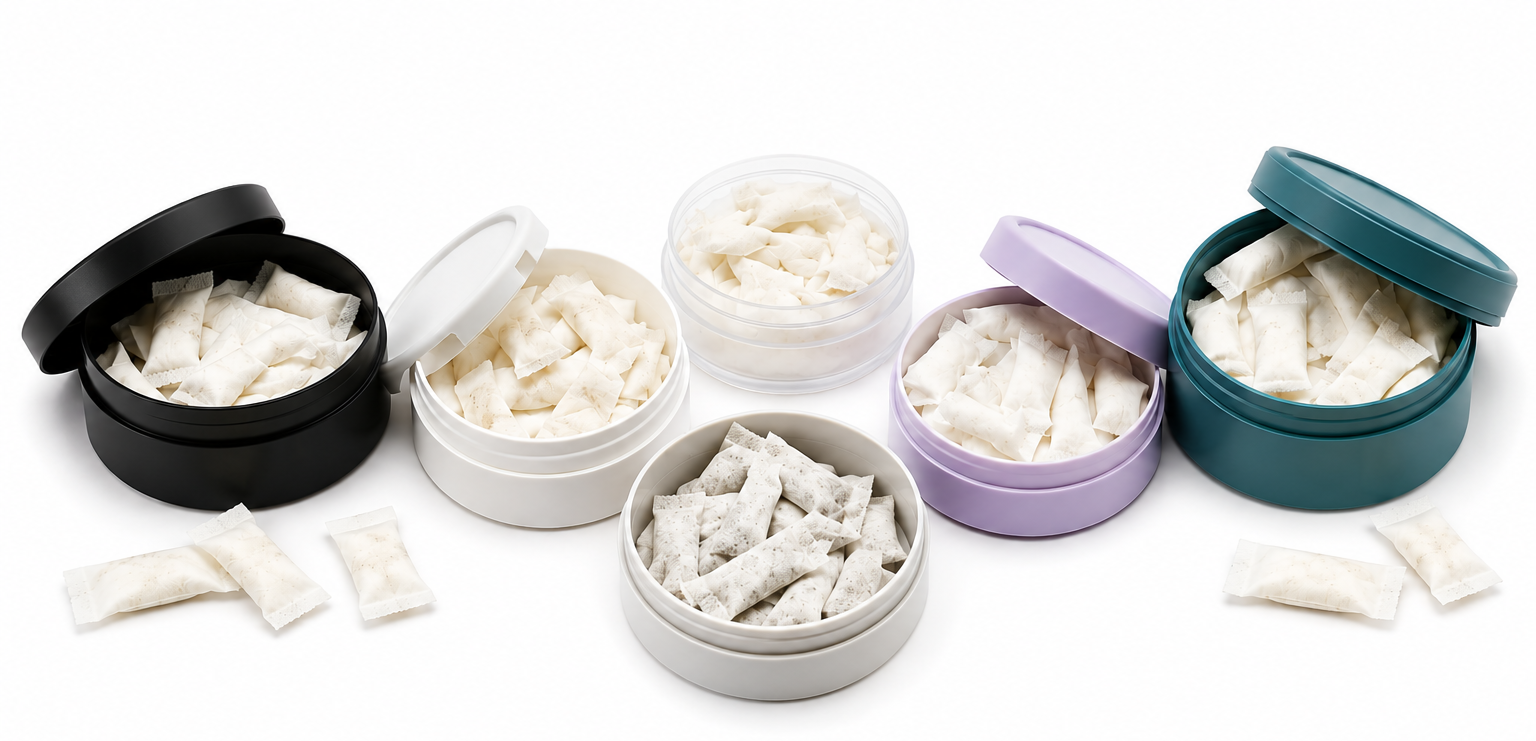
They are available in:
- Multiple nicotine strengths
- Flavors such as mint, fruit, and coffee
- Small, discreet containers
Because they do not produce smoke or vapor, nicotine pouches can be easier to use unnoticed. Their lack of smoke does not mean they are harmless, nicotine remains addictive and can affect the developing brain.
Cannabis and THC Products
Some devices that look similar to nicotine vapes are used to consume cannabis (marijuana) or THC, the substance responsible for the “high” associated with cannabis.
These products may include: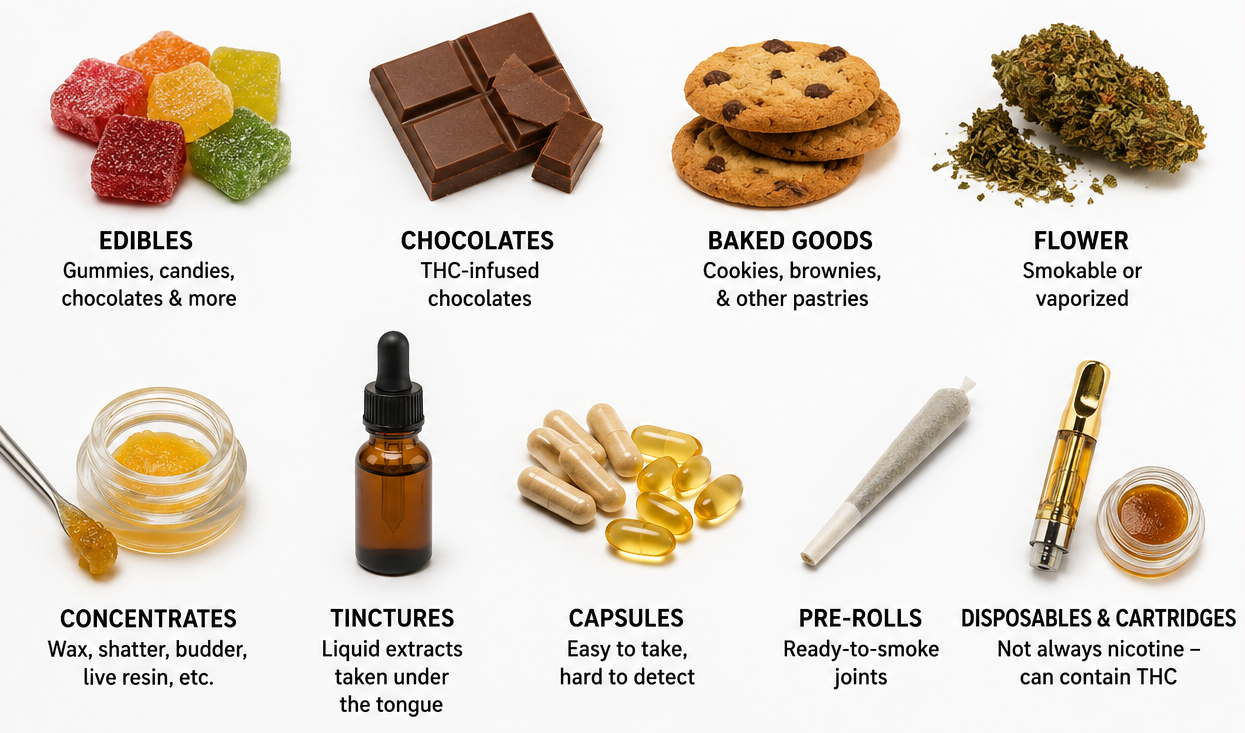
- THC vape cartridges
- Disposable cannabis vapes
- Concentrates
- Edibles
- Other cannabis products
Cannabis products do not contain nicotine unless combined with another substance, but they can still affect health, particularly for young people whose brains are still developing.
Why Product Awareness Matters
Nicotine products continue to change, making it challenging for parents, educators, and healthcare providers to keep up.
Understanding what products look like and how they are used can help adults:
- Recognize possible nicotine use
- Start informed conversations
- Correct misconceptions
- Connect young people with support
If you are concerned about a young person using nicotine, support and resources are available.
Speaking Their Language: Why Words Matter
If you're trying to talk with a young person about vaping or nicotine, the words you use matter.
Many teens don't refer to products as "electronic cigarettes," "nicotine pouches," or even "vapes." Instead, they often use brand names, nicknames, or slang that changes rapidly through social media and peer groups.
Knowing the language can help you:
- Recognize what a young person is talking about.
- Better understand conversations you may overhear.
- Ask more informed, nonjudgmental questions.
- Build trust by showing you understand today's products.
Keep in mind that slang changes quickly. New products and nicknames appear every year, so it's important to stay informed rather than memorize a single list.
Common Terms You May Hear
| You Might Say | A Teen Might Say |
|---|---|
| Vape | Vape, dispo, disposable |
| E-cigarette | Vape, device, pen |
| Nicotine pouch | ZYN, VELO, Rogue, On!, pouch |
| THC vape | Cart, cartridge, pen, dab pen |
| Pod-based vape | Pod, refill, pod system |
| Nicotine | Nic, nic hit, buzz |
Help Is Available
Whether you smoke, vape, or use nicotine pouches, you don't have to quit alone.
Talk with your healthcare professional about creating a quit plan that works for you.
Free quit support is available through the New Hampshire Quitline by calling 1-800-QUIT-NOW or visiting QuitNowNH.org.
Learn more about Breathe New Hampshire’s youth
prevention program - VAPING UNVEILED.